Physical Conditioning
Exercise Protocols: Building Stamina Without Joint Strain
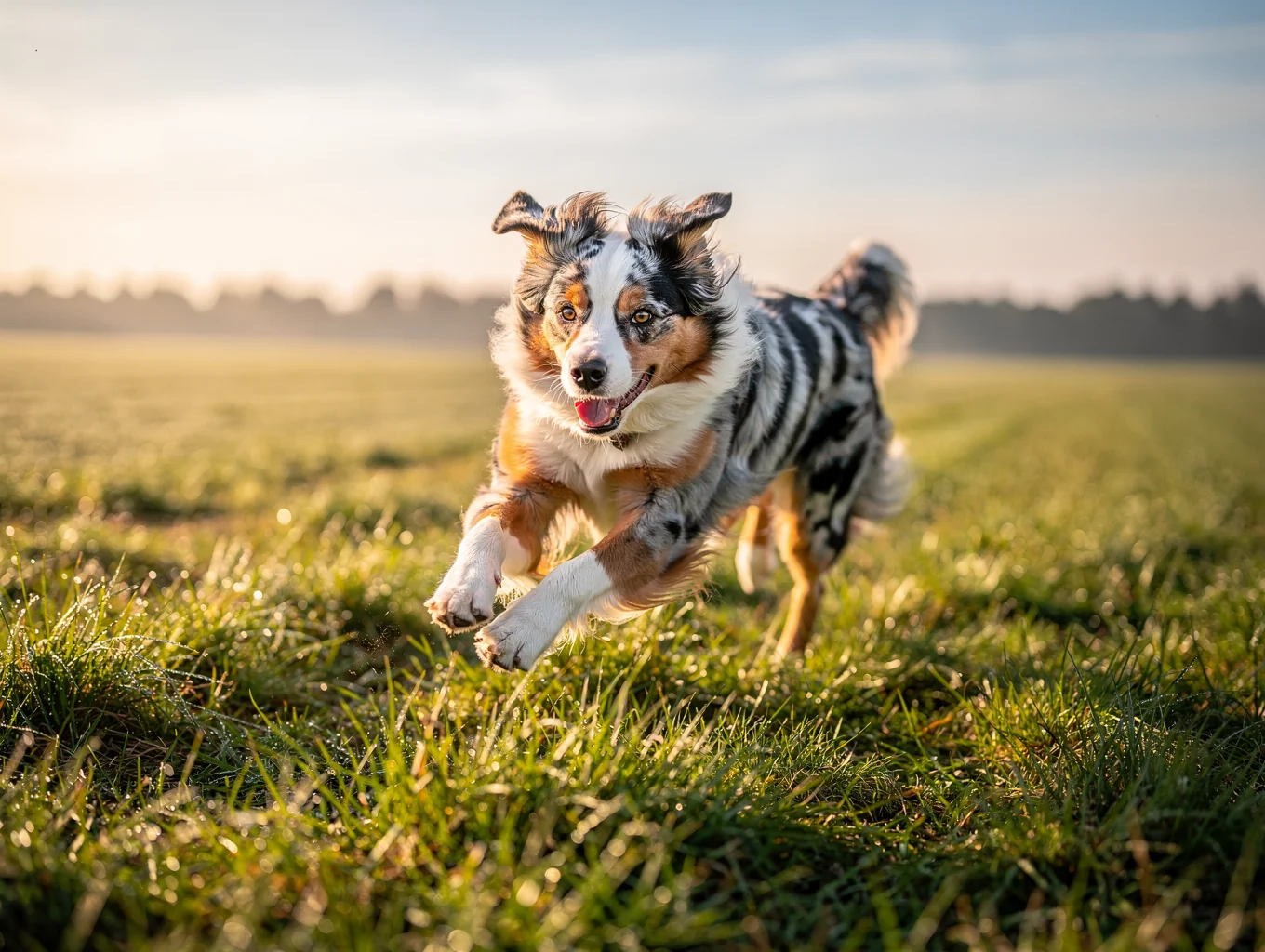
High-energy breeds thrive on cardiovascular effort, but conditioning requires careful progression. Young working dogs with open growth plates risk permanent musculoskeletal trauma from repetitive forced jogging on asphalt.
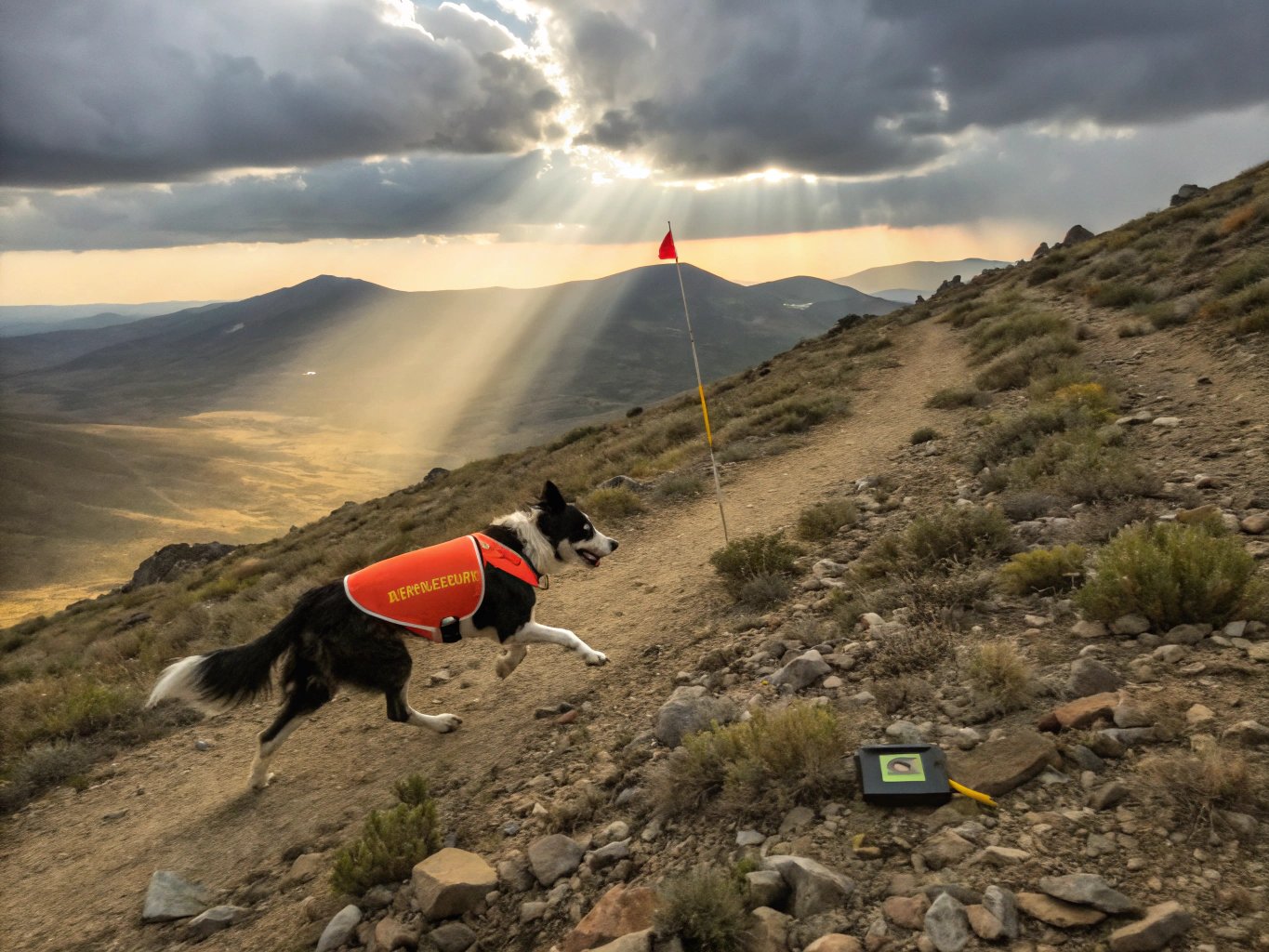
Learn how to balance unstructured free running, low-impact swimming, hill traverses, and flirt pole sprints. Structured cross-training prevents repetitive stress injuries while fulfilling innate predatory motor patterns.
Cognitive Engagement
Positive Training for High-Drive, High-Arousal Dogs
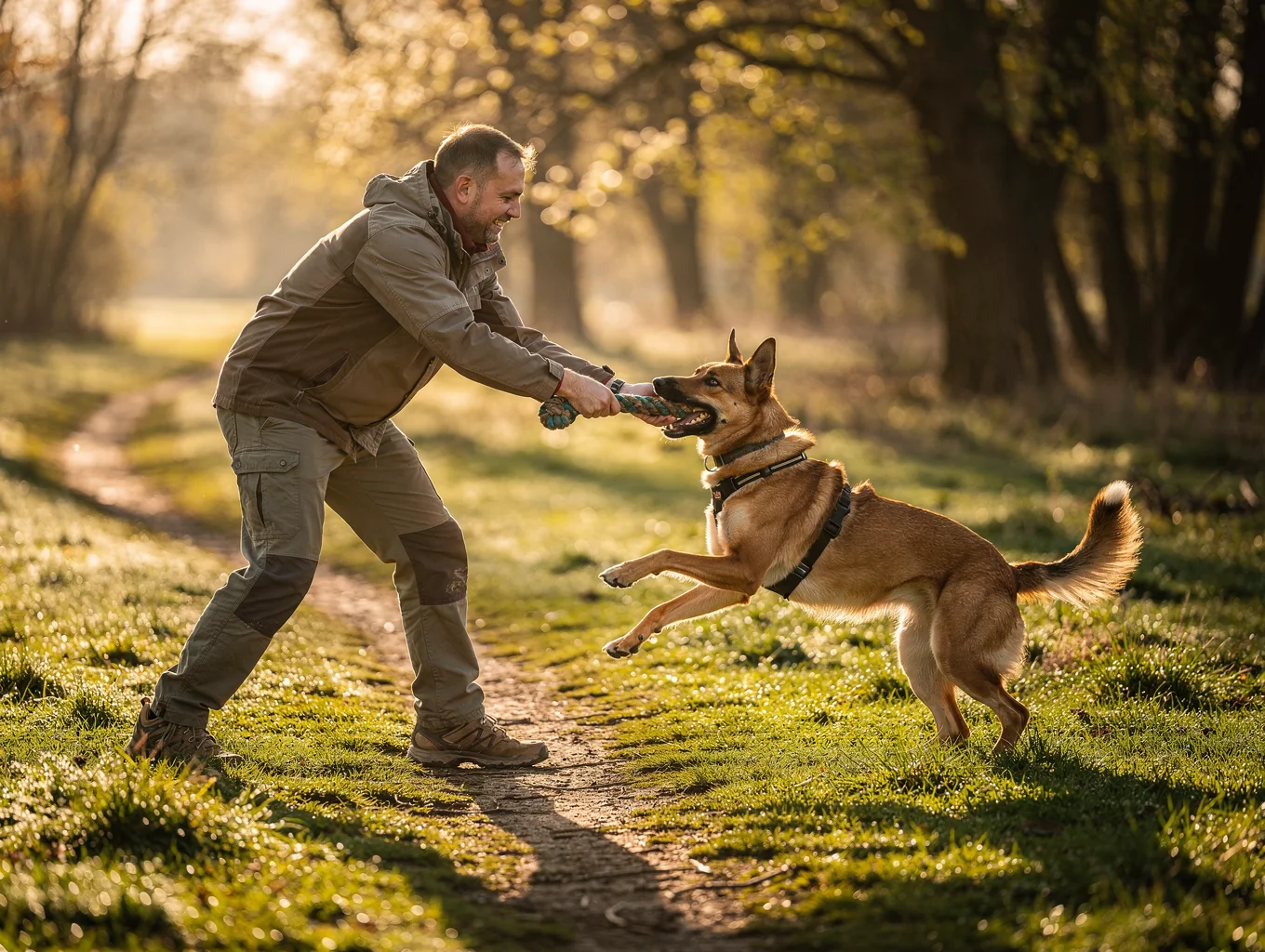
Force and compulsion often escalate arousal in intense working breeds, creating frustration and reactive behaviors. High-drive canines respond best when their innate motivations—chasing, tugging, tracking—are utilized as primary reinforcers.
By transforming working drives into rewards, handlers build bulletproof emergency recalls, calm threshold manners, and cooperative engagement even around high-distraction trail environments.
Backcountry Protocols
Hiking with Dogs: Remote Trail Etiquette & Safety
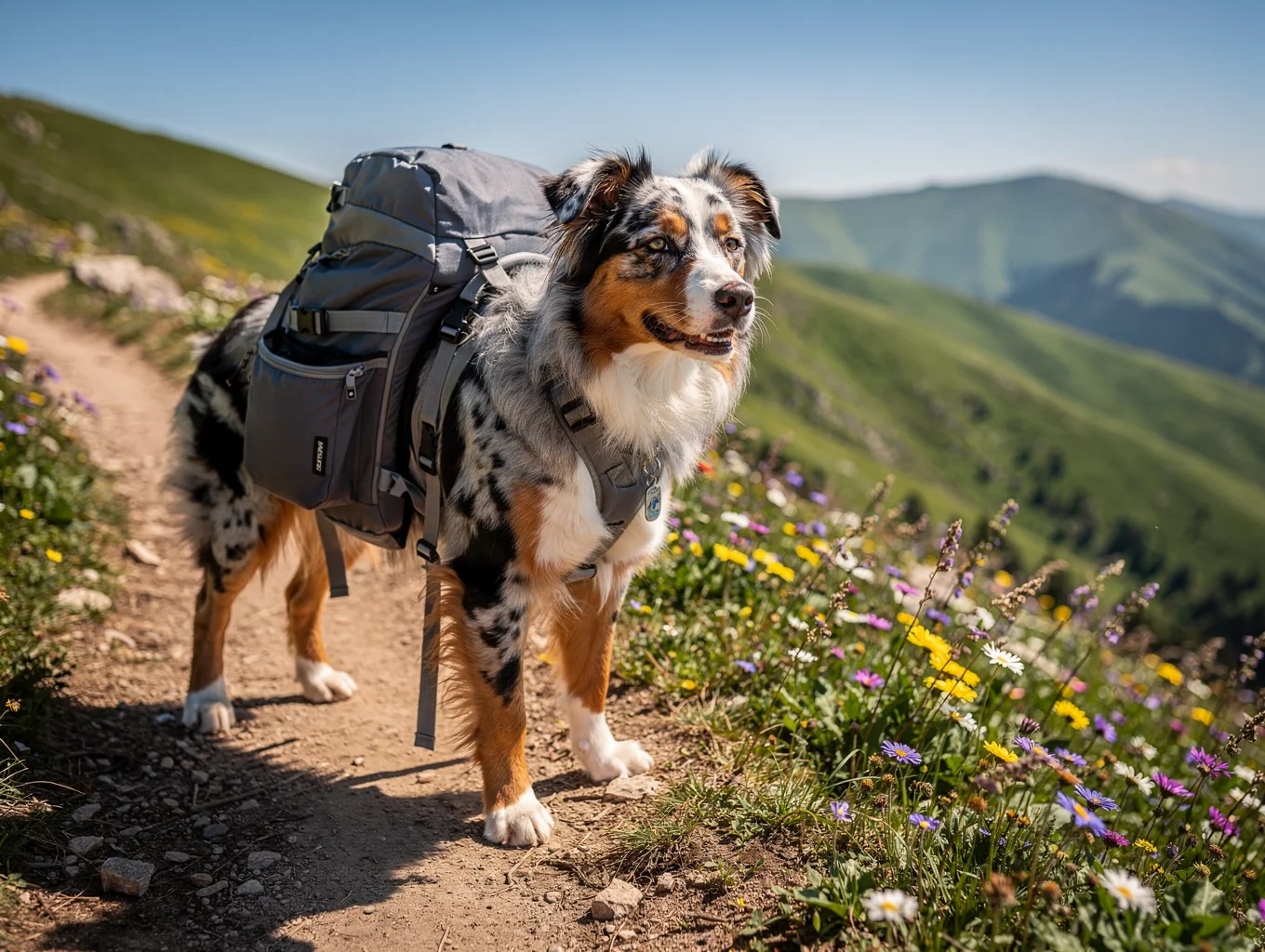
Steep elevation, sudden weather shifts, and rocky scree demand backcountry readiness from both dog and human. Conditioning your dog to carry a light pack, yield to downhill hikers, and stay calm around wildlife ensures safe expeditions.
Before tackling mountain summits, assess water availability along your route to prevent toxic blue-green algae exposure, and always carry a dedicated canine evacuation harness.
Health & Safety: Heat Injury, Paw Protection, and First Aid
Dogs dissipate heat primarily through panting and minimal foot pad transpiration. During intense exertion, active breeds can quickly advance from early heat exhaustion to fatal heat stroke before handlers notice clinical signs.
Our safety guides detail vital signs monitoring, early symptoms of thermal distress, protective bootie applications for sharp shale or hot granite, and essential supplies for canine trail trauma kits.